Real turf or artificial grass: which suits your garden
A good lawn makes a garden. Whether you want the look and feel of real grass or a lawn that stays green with no mowing, the result depends on the ground underneath. Affordable Gardens & Landscapes lays new turf and artificial grass, often called astro turf, and prepares the ground properly first.
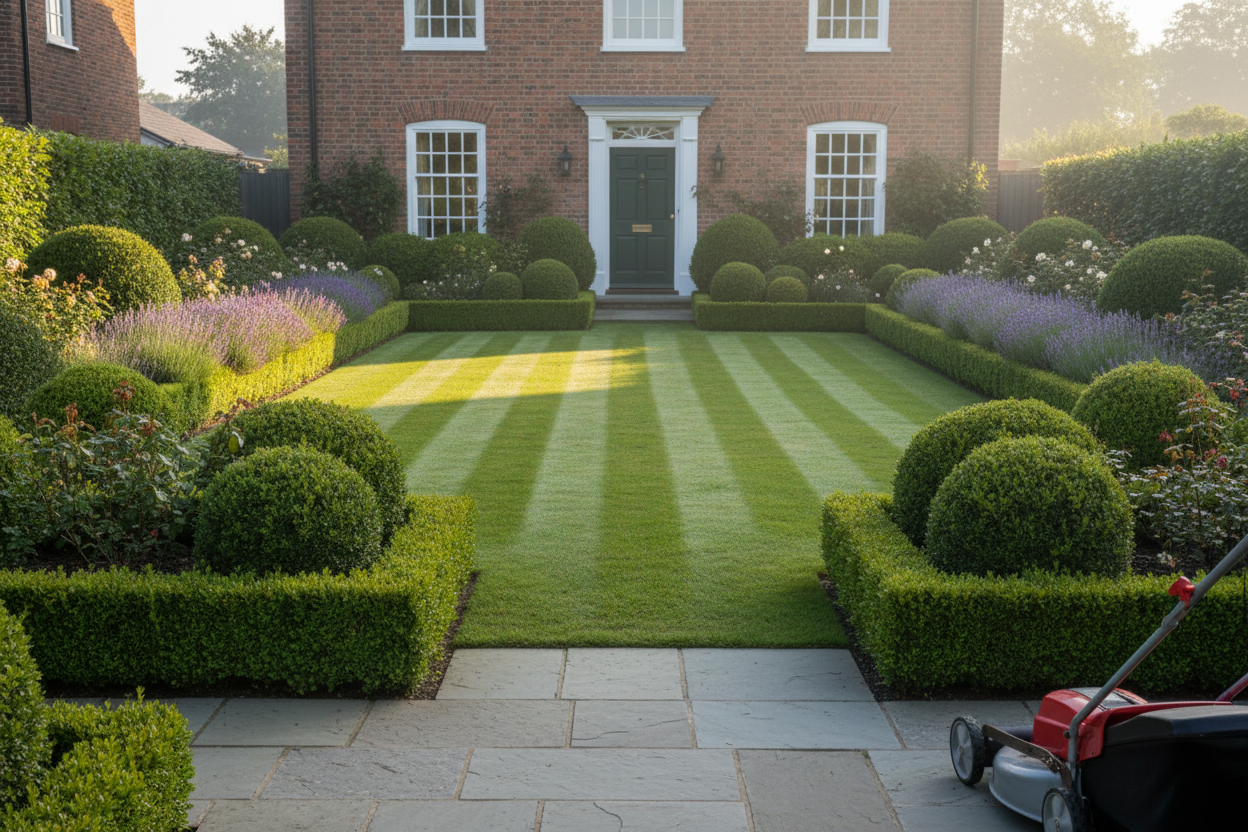
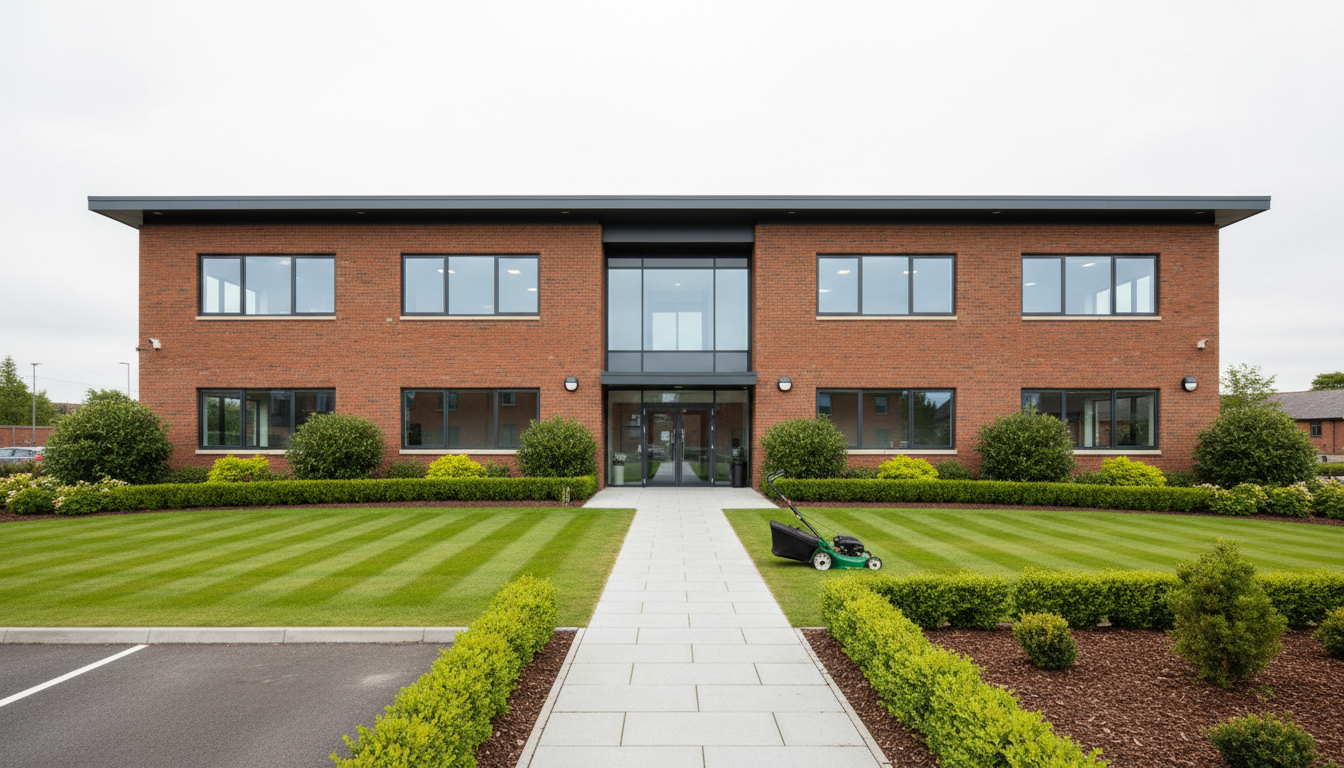
New turf gives you a real lawn almost straight away. It suits gardens with reasonable light, people who enjoy a natural lawn and are happy to mow it, and anyone who wants grass that is good for wildlife and stays cool underfoot in summer.
Artificial grass suits shady corners where real grass struggles, small back yards, gardens with heavy use from children or dogs, and anyone who would rather not mow at all. It still needs an occasional brush and rinse, but it stays green all year.
Plenty of gardens use both: real turf for the main lawn and artificial grass for a shady strip or a play area. We can talk you through the choice for your garden.
Signs your lawn needs replacing
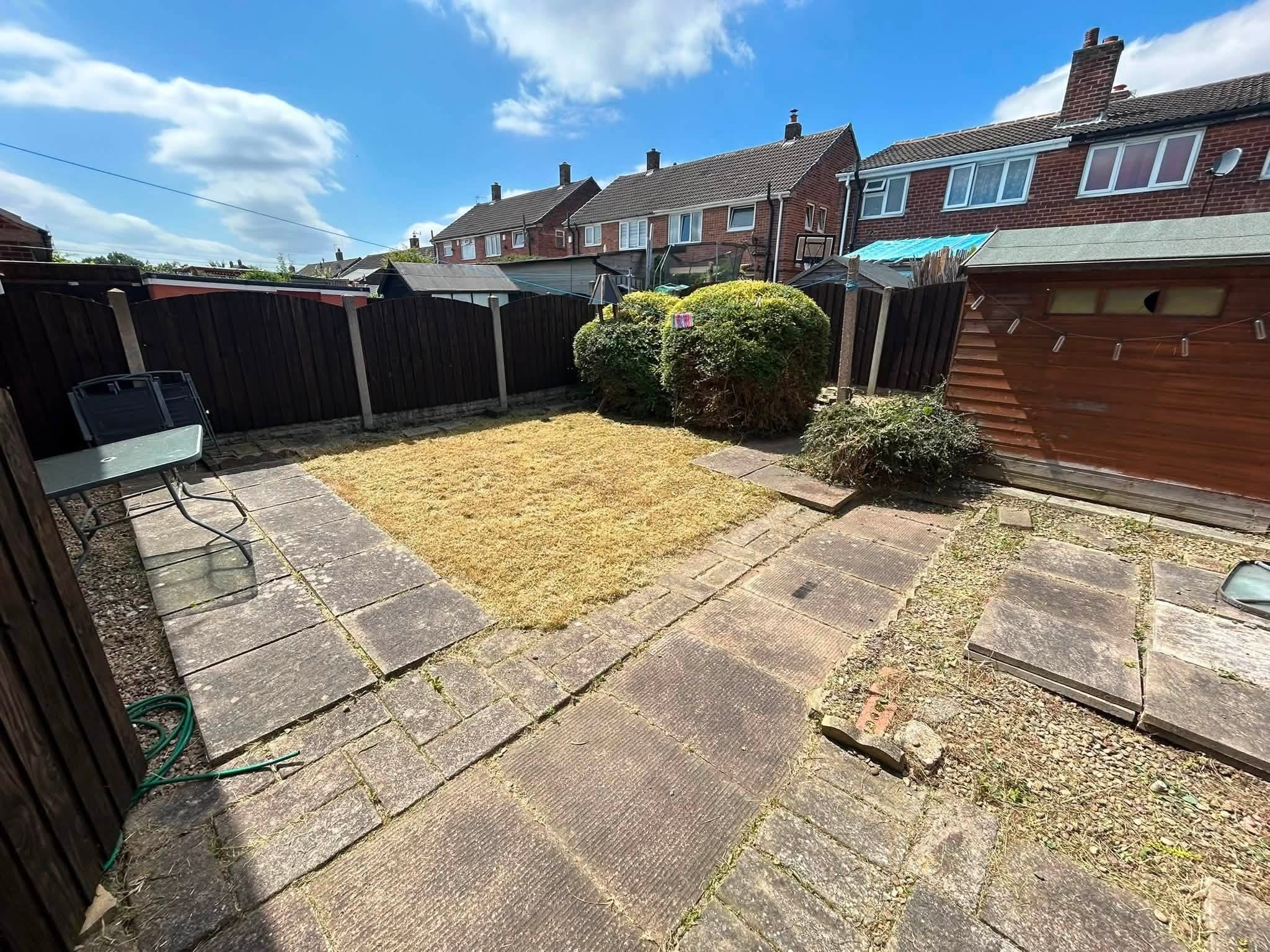
- It is patchy, thin or full of moss and weeds, however much you feed it.
- It is uneven, with bumps and hollows that make mowing hard work.
- It turns to mud every winter where the children play or the dog runs.
- It sits in shade most of the day and real grass will not grow well.
- You have had other work done and the old lawn has been damaged.
How new turf is laid
- Clearing. The old lawn, weeds and stones are cleared.
- Preparing the soil. The ground is dug or cultivated, and on heavy ground, improving the top layer helps drainage and rooting.
- Levelling and firming. The surface is raked level and firmed evenly, so there are no soft spots.
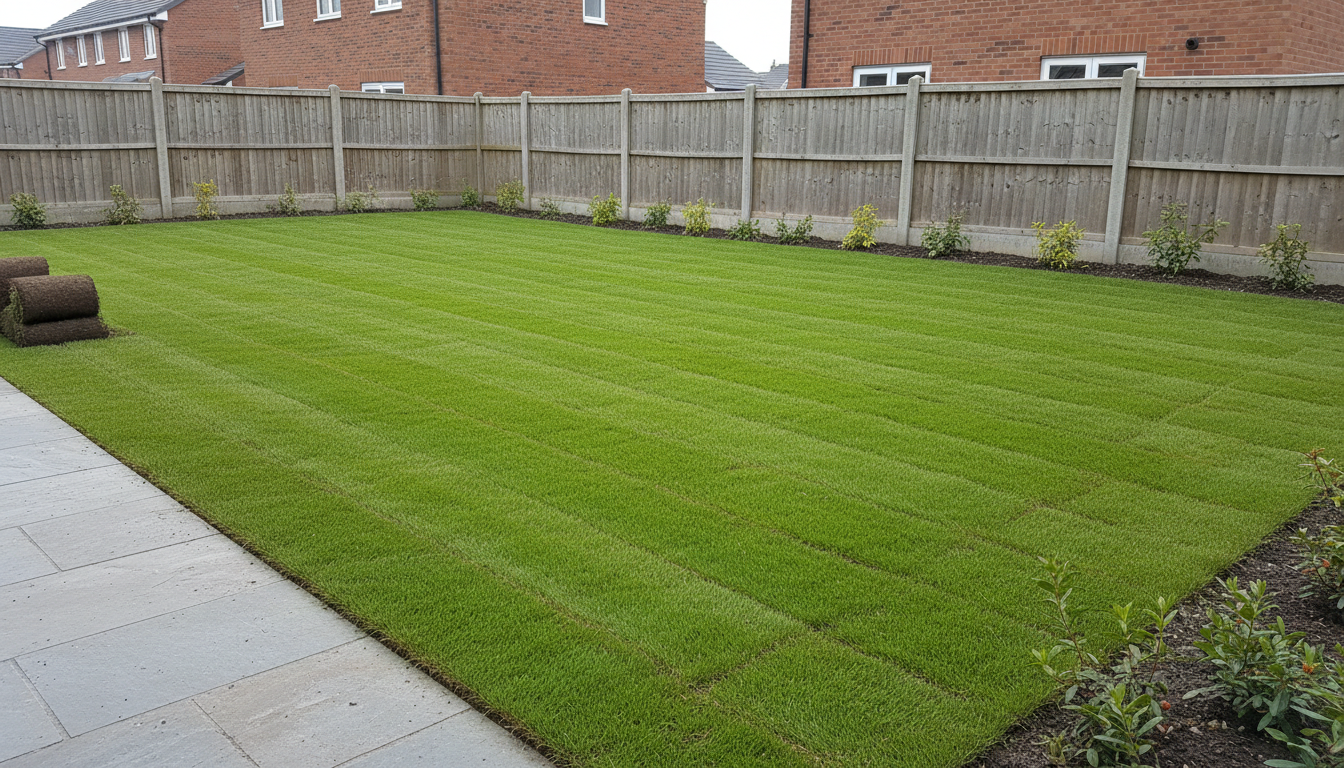
- Laying. Rolls of turf are laid in staggered rows, like brickwork, with the joints butted tightly together.
- Edges. Edges are cut neatly against paths, patios and borders.
- Watering in. The new turf is watered well, and we explain how to keep it watered while it roots.
New turf should be kept off as much as possible for the first few weeks while the roots grow into the soil below. In dry weather it needs watering every day or two until it has rooted, ideally in the early morning or evening so less water is lost. Water until it soaks through the turf into the soil, rather than giving it a quick sprinkle over the top. If the joints start to open up or the edges curl, it needs more water. Once the turf has knitted into the soil, the first cut should be a light one with the mower set high.
How artificial grass is laid
- Digging out. The old surface is removed and the area dug out.
- A firm base. A compacted layer of crushed stone gives a stable, free-draining base.
- A levelling layer. A finer layer on top is levelled and compacted so the grass lies flat with no ripples.
- Weed membrane. A membrane helps stop weeds coming through.
- Laying and joining. The grass is rolled out with the pile running the same way, cut to shape and the seams joined so they are hard to spot.
- Securing the edges. The edges are fixed firmly so the grass cannot lift.
- Brushing up. The pile is brushed up so the lawn looks full and natural.
Once it is down, artificial grass needs very little. A brush every so often keeps the pile standing up, leaves are best blown or raked off before they rot down, and a rinse with water keeps it fresh, especially where pets use it.
When to lay turf or artificial grass
Turf establishes best in the cooler, damper months of autumn and spring, when the soil is warm enough for roots to grow and there is less risk of it drying out. It can be laid in summer with plenty of watering, but frozen or waterlogged ground in winter is best avoided. Artificial grass can be laid at almost any time of year, whenever the ground is workable and dry enough to build a good base.
What affects the scope
- the size and shape of the lawn
- whether you choose turf or artificial grass, and the type of grass you pick
- what has to be removed first, such as an old lawn, gravel or paving
- the soil and drainage, especially on heavy clay that holds water
- levels, slopes and how many edges need cutting in
- access for bringing in materials and taking waste away
Family run, fully insured, and where we work
Affordable Gardens & Landscapes is a family run business based in Knottingley, and we are fully insured. A new lawn is often one part of a bigger landscaping and garden makeover, and once real turf is down, regular garden maintenance visits can keep it cut and edged.
We lay turf and artificial grass across Normanton, Wakefield, Castleford, Pontefract, Featherstone, Knottingley, Outwood, Altofts, Stanley, Rothwell, Ossett and Horbury. Call 07347 572509, Monday to Friday between 9am and 6pm, or send a message with photos of the area, and we will send you a quote.